 ×
× Introduction Pack
 ×
×Introduction Pack, prepared for Kementerian Energi dan Sumber Daya Mineral
Turning Indonesia's waste into domestic energy
INPAC Solutions designs, builds and operates modular pyrolysis infrastructure that converts municipal and industrial waste into diesel-grade fuel, syngas and carbon products. Our first facility is operating today in Klungkung, Bali.
01, Company Overview
Total Waste Solutions, Built for Indonesia
INPAC (Invest Asia Pacific) is an Asia Pacific-driven organisation focused on green development, environmental restoration and community-led growth. We work alongside governments, traditional leaders and local communities to fund and deliver projects that protect the land and sea while creating long-term prosperity.
Our mission is to redefine industrial sustainability through innovation, designing, deploying and managing efficient modular technologies that secure energy independence and environmental health for the next generation, from dense urban centres to the most remote island nations.
Waste to Resource
Pyrolysis, sorting and recycling systems that turn municipal and industrial waste into fuel, energy and reusable materials.
Renewable Energy
Solar, battery storage and grid solutions that reduce emissions and move communities toward energy independence.
Community & Environment
Training, local employment and science-based restoration of land and sea, delivered with and by local people.
Why organisations choose INPAC
Proven technology
Battle-tested systems from world-leading manufacturers, adapted for tropical and island environments.
Regional expertise
Deep knowledge of Southeast Asian and Pacific regulatory frameworks, logistics and community needs.
End-to-end delivery
Feasibility, build, commissioning and ongoing maintenance, one partner for the full lifecycle.
Community focused
We work alongside local governments and villages so infrastructure is welcomed, not imposed.
Running today
Running in Bali today.
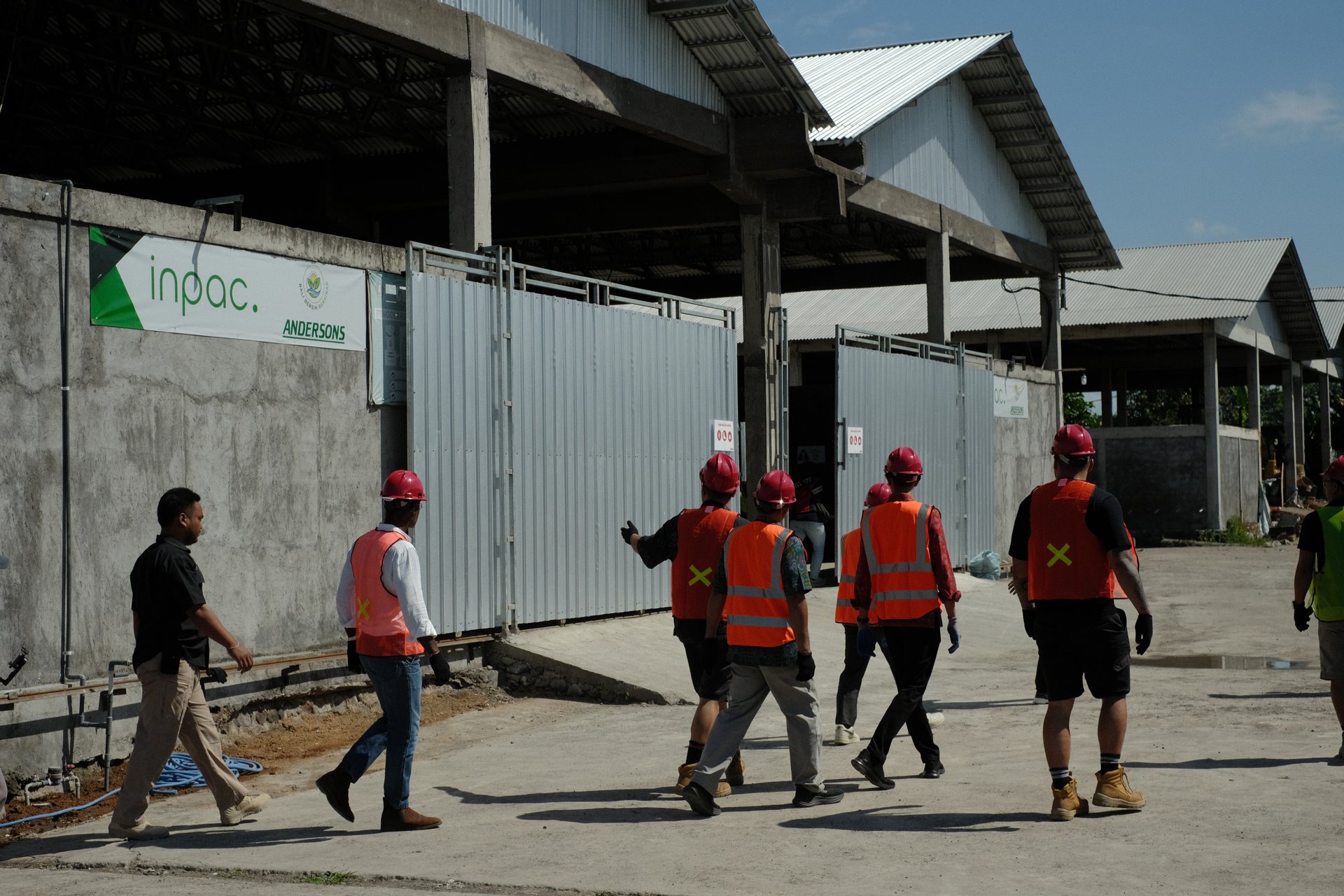
Not a rendering. A system is installed and operating at the TOSS Centre in Klungkung, Bali, heating up and producing fuel every day. Bring a sample of your own waste and we will run it through in front of you.
Heat and flare at the reactor on site in Klungkung.
Crude pyrolysis oil being produced from the unit.
02, Featured Project
Klungkung Waste-to-Energy Facility
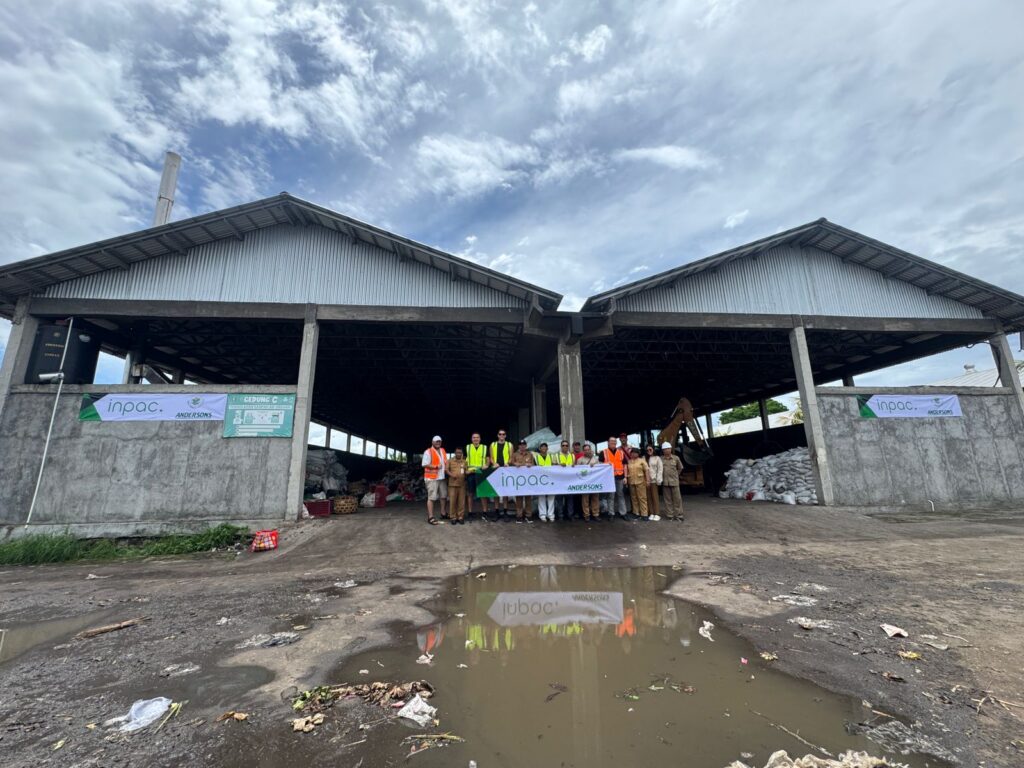
Pyrolysis at scale, TOSS Centre, Karangdadi, Kusamba, Klungkung Regency, Bali
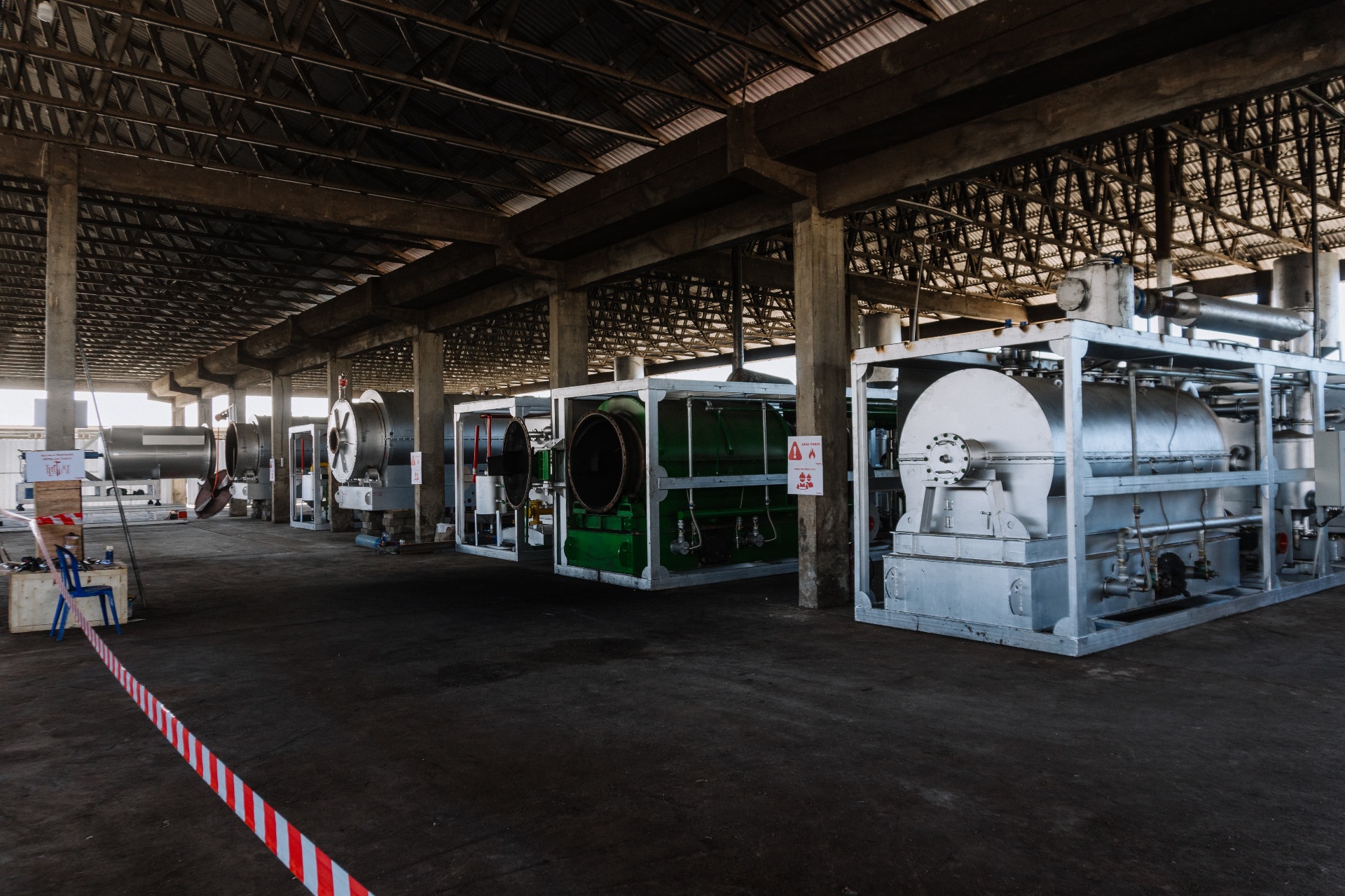
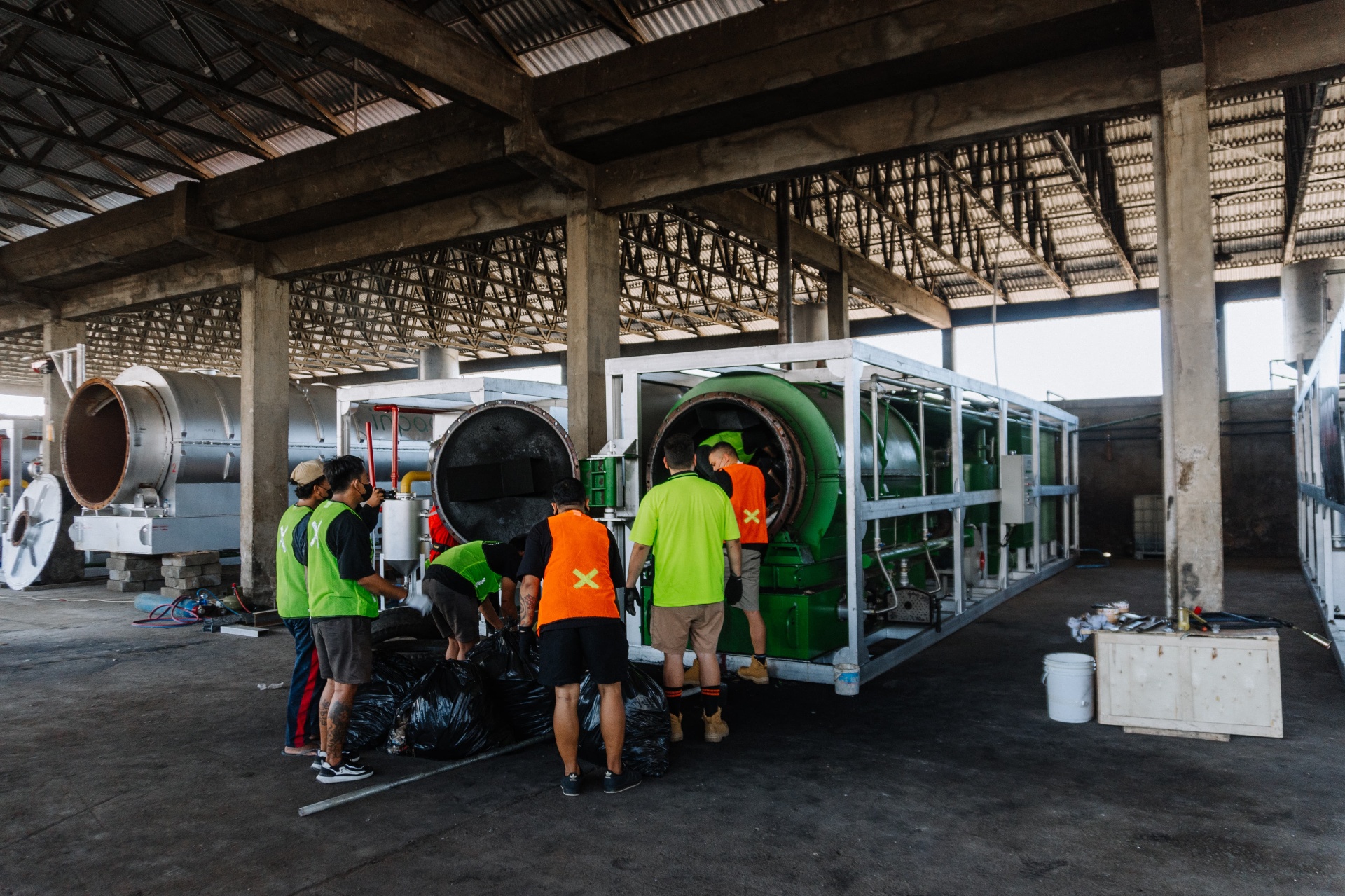
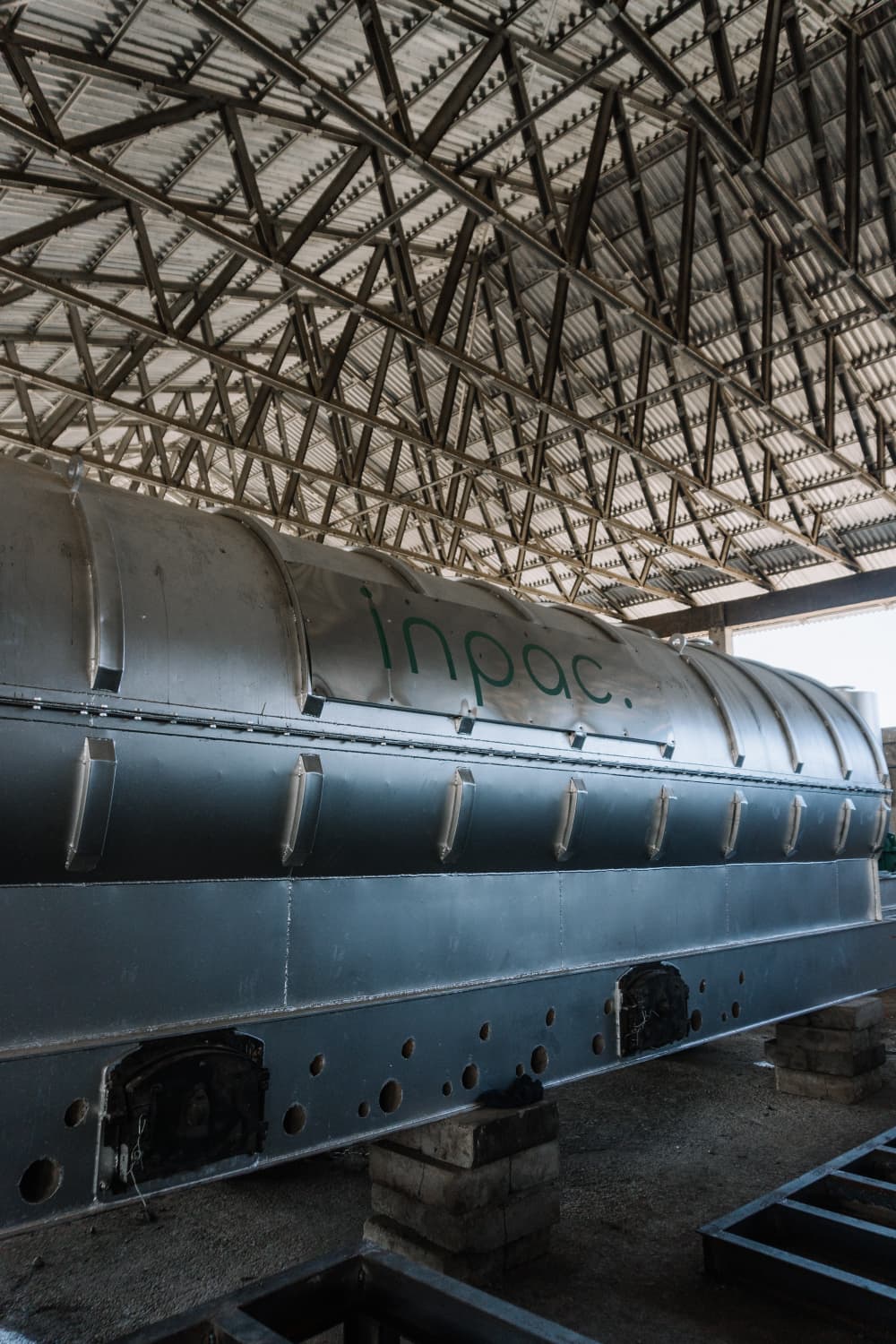
Our facility processes over 17 tonnes of waste a day, diverting it from landfill. Working with the Regency Government and local partners, we have installed a pyrolysis facility that converts waste, without combustion, into fuel oil, syngas, biochar and carbon briquettes.
Key features
- 1
168 tonnes per day sorting capacity
An automated sorting facility able to process up to 168 tonnes of mixed waste every day.
- 2
17+ tonnes converted to diesel daily
Over 17 tonnes of sorted waste turned into usable diesel fuel each day.
- 3
Fuel converted directly into electricity
Fuel outputs can feed on-site generators without extra processing or transport.
- 4
World-leading emissions performance
The facility meets the highest emissions standards in the world.
- 5
The only site of its kind in Bali
No other facility on the island operates at this scale or capability.
Live Impact Dashboard
See the Klungkung facility's real-time performance, throughput, outputs and emissions data streamed live from the plant as it operates.
View Live Impact03, Technical Overview
Technology, feedstocks and production process
Pyrolysis is thermal conversion, not incineration. Waste is heated in a sealed, oxygen-free reactor so hydrocarbons crack into vapour instead of burning. That vapour is condensed into oil, refined into a diesel-grade fuel, and the remaining gas and carbon are recovered rather than released.
Technology
- Pyrolysis System 4000, Batch Type, modular units
- Oxygen-free reactor at roughly 350 to 450 degrees Celsius
- Indirect external heating, no incineration, no open burning of waste
- Six units installed at Klungkung
- Capacity scales by adding units rather than rebuilding the plant
Feedstocks
- Household and household-like municipal solid waste
- Mixed plastics: LDPE, HDPE, PP, films, sachets, multilayer packaging
- End-of-life tyres and rubber
- Dry biomass and agricultural residues
- Legacy waste mined from existing landfill
- Sorted, shredded and dried before entering the reactor
Products
- Crude pyrolysis oil refined to a diesel-grade alternative fuel
- Non-condensable syngas recirculated as process heat
- Solid carbon fraction used as biochar and carbon briquettes
- Every output stream is used, so residue is minimal
Production process
1. Reception and mechanical sorting
Incoming municipal waste is weighed and separated. Sorting capacity at Klungkung reaches up to 168 tonnes per day, with organics, inerts and recyclables removed from the pyrolysis stream.
2. Shredding and drying
Sorted material is size-reduced and dried to a low moisture content to stabilise reactor temperature and maximise liquid yield.
3. Oxygen-free pyrolysis
Batch reactors heat the feedstock in the absence of oxygen. Long-chain hydrocarbons crack into vapour without combustion, which is what separates this process from incineration.
4. Condensation
Vapour passes through a condensation train and is recovered as crude pyrolysis oil. Non-condensable gas is captured rather than vented.
5. Distillation and refining
Crude oil is distilled on site into a diesel-grade fuel fraction, then sampled for quality and emissions testing before use.
6. Energy and carbon recovery
Syngas is recirculated to supply process heat, reducing external energy demand. Solid carbon is drawn off and briquetted. Refined fuel can be burned in on-site generators to produce electricity without further processing.
168 t/day
Sorting capacity at Klungkung
17+ t/day
Waste converted to fuel
40-60%
Fuel yield from plastic feedstock
How INPAC is helping to boost energy efforts across Indonesia
Domestic fuel supply
Waste-derived diesel made and used locally, cutting imported fuel.
Power at source
Fuel and syngas convert to electricity on site, ideal for island grids.
Renewable mix
A waste liability becomes a measurable energy output.
Tested and compliant
Fuel and emissions tested with the regency government before use.
Local capability
Indonesian operators trained and employed, maintenance in country.
Verifiable data
Throughput, output and emissions published live for audit.
04, Emissions & National Scale
Held to the highest emissions standards in the world
INPAC machines are engineered to meet the highest emissions standards in the world, not the minimum set locally. Independent testing at the operating TOSS Centre in Klungkung measured the machines running under real conditions, completed on 31 August 2026 by the Bali Provincial Government's accredited UPTD Balai Hyperkes dan Keselamatan Kerja.
Highest standards
Engineered to meet the most demanding emissions standards in the world
Proven performance
Independently tested under real operating conditions in Klungkung
Built to scale
A modular system ready to be replicated across Indonesia
Every reported result came in well below the limits applied for the test, on units running at ordinary daily throughput. Results apply to the sampled equipment, place and time stated in the report.
A repeatable national model
The modular system expands by adding reactor units and matching sorting capacity. This allows facilities to be sized for local waste volumes, deployed progressively, and replicated across Indonesia's cities, regencies and island communities without redesigning the core process.
Emissions testing report
The full independent exhaust gas emissions test of four operating machines, carried out by the Bali Provincial Government's accredited laboratory.
See testing report here05, Our Team
The people behind the work
Engineers, operators, community leaders and advisors, combining local Balinese and Pacific insight with international delivery experience.
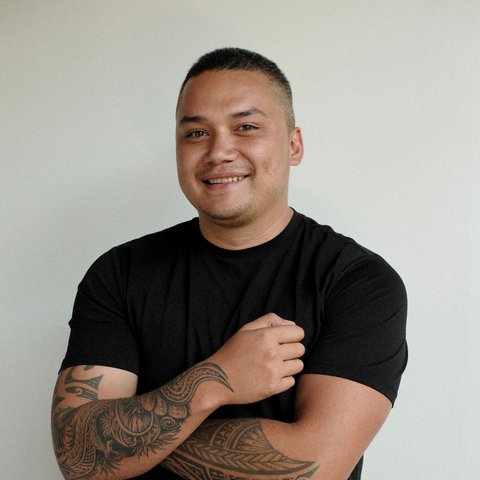
Aaron Anderson
Co-Founder & CEO
Leads strategic partnerships and the operational delivery of industrial-scale green infrastructure across the Asia Pacific. Born in the Cook Islands, Aaron brings a Pacific perspective to island and coastal resilience.
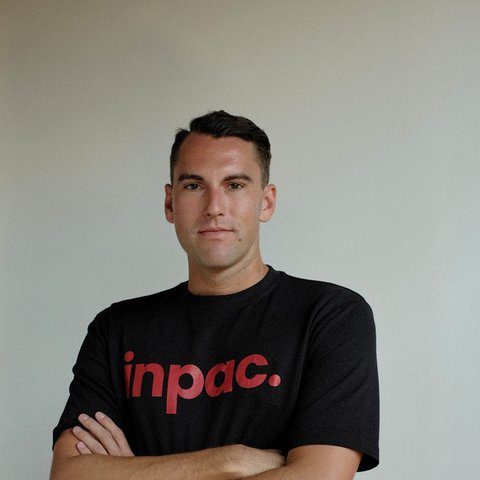
Justin Lampert
Co-Founder & Director of Operations
Oversees day-to-day operations across INPAC's project sites, from groundbreaking to commissioning, keeping delivery, safety and quality on standard at every stage.
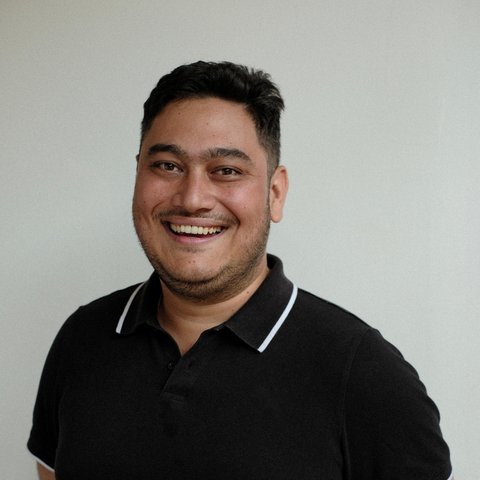
Agung Pablo Subamia
Co-Founder & Director of Local Expansion
Balinese-Australian, a Mangku since the age of 19, Pablo leads government and community relations and heads INPAC's on-the-ground work in Klungkung.
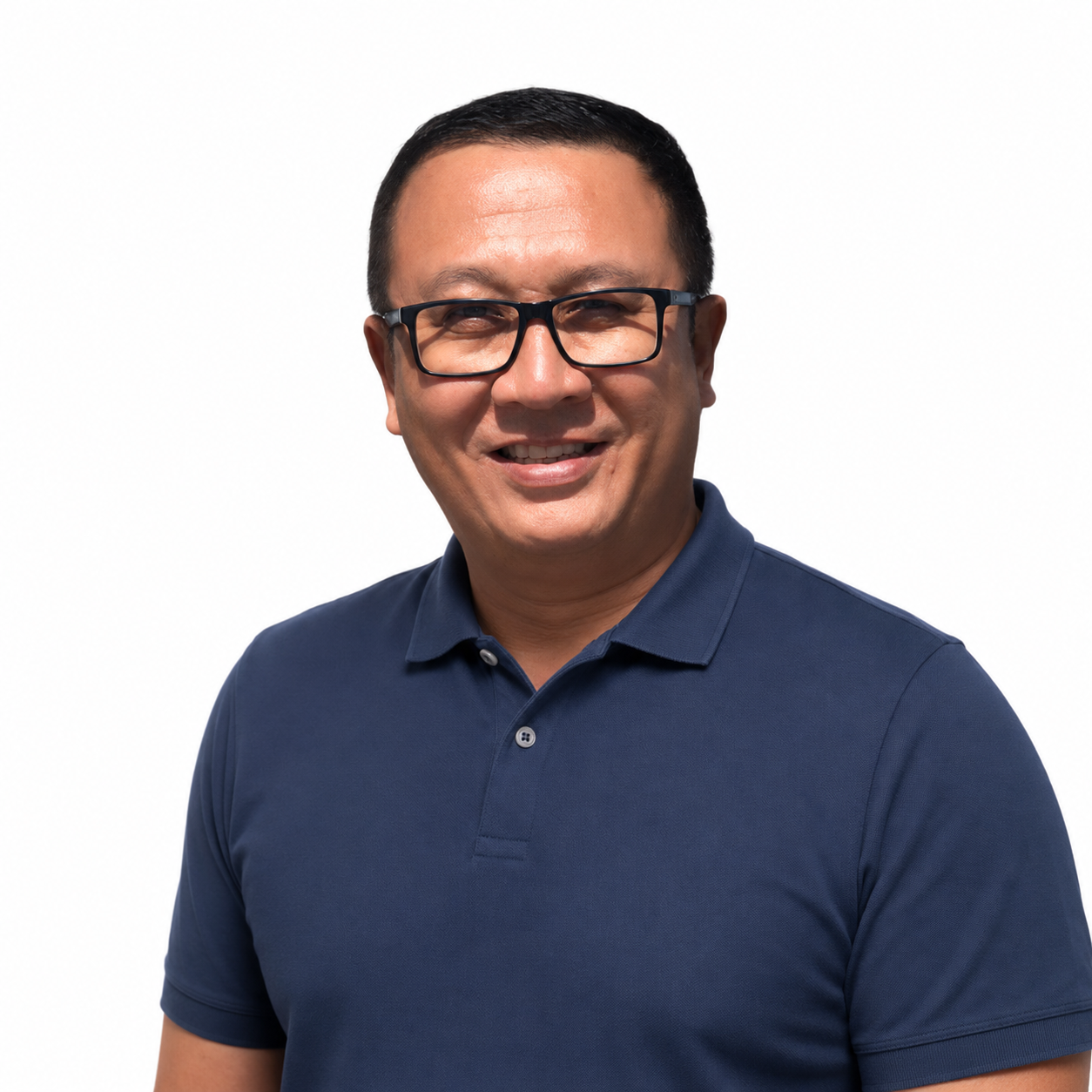
Gde Kurniawan
Technical Operations
Accomplished hospitality executive and project management professional with over 30 years of experience in hotel development, resort operations and construction across Bali and the wider Asia Pacific.
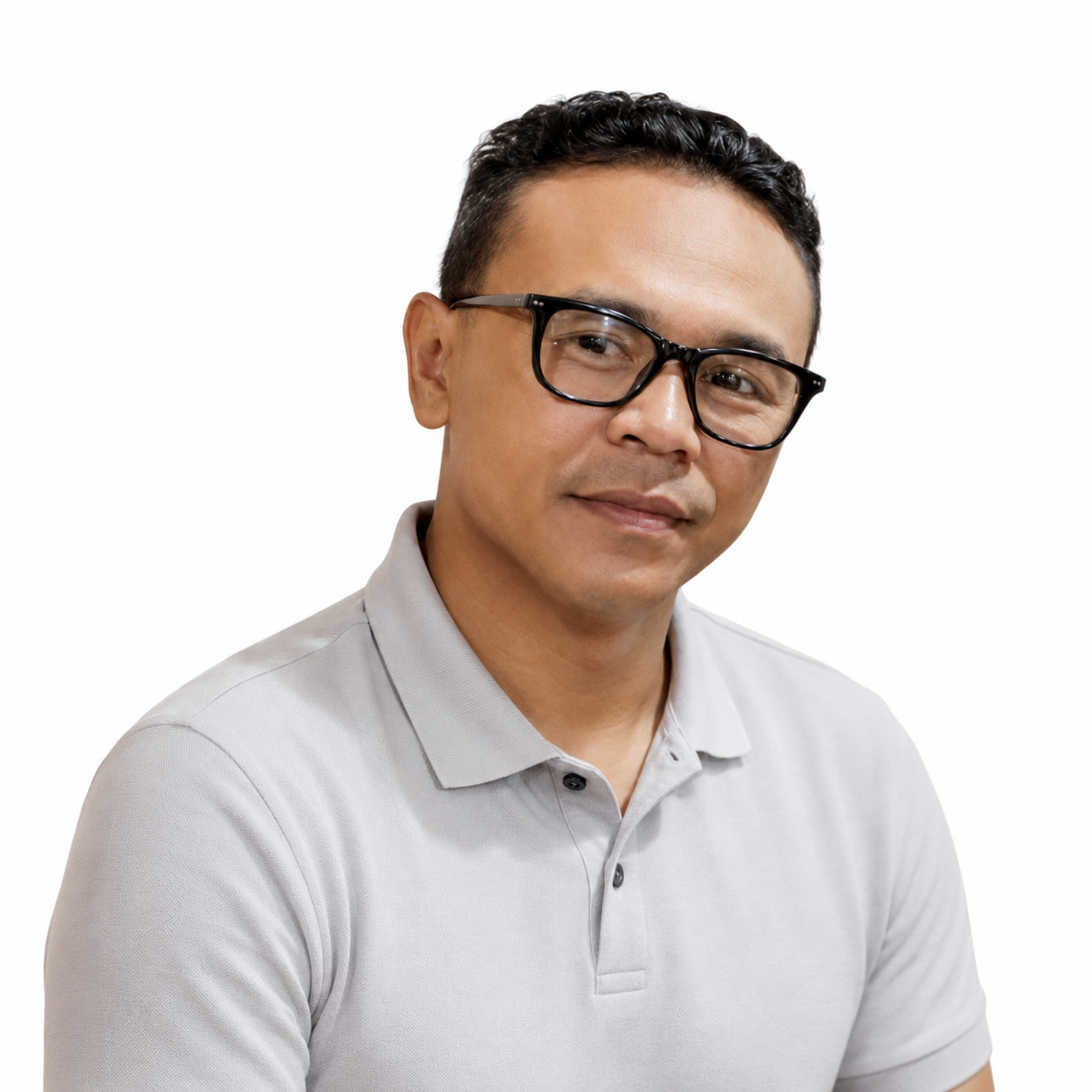
I Ketut Budi Hartawan, SH
Legal Office
Experienced lawyer, entrepreneur and business executive with over 15 years of expertise in legal consulting, hospitality, property management and corporate leadership.
Turning waste into lasting value
INPAC Solutions is an Asia Pacific green infrastructure company built on local expertise, proven technology and a commitment to the communities we serve. Our pyrolysis infrastructure is operating in Indonesia today, converting waste into fuel, energy and carbon products with verifiable data behind every figure.
We would welcome the opportunity to work with Kementerian Energi dan Sumber Daya Mineral on scaling this capability nationally, and to host a site visit in Klungkung. Whatever the challenge, we're here, to get you there. Please reach out using the details below if you have any questions.
info@inpac.solutions
Website
inpac.solutions
Office
Ruko Imam Bonjol Square, Jl. Imam Bonjol, Pemecutan Klod, Denpasar Barat, Bali 80119, Indonesia
Business hours
Monday to Saturday, 8:00 AM to 6:00 PM (WITA)

INPAC Solutions, For The People, By The People.